Geopolitical Disruptions Restructure Global LNG Supply-Demand Landscape (June 2026)
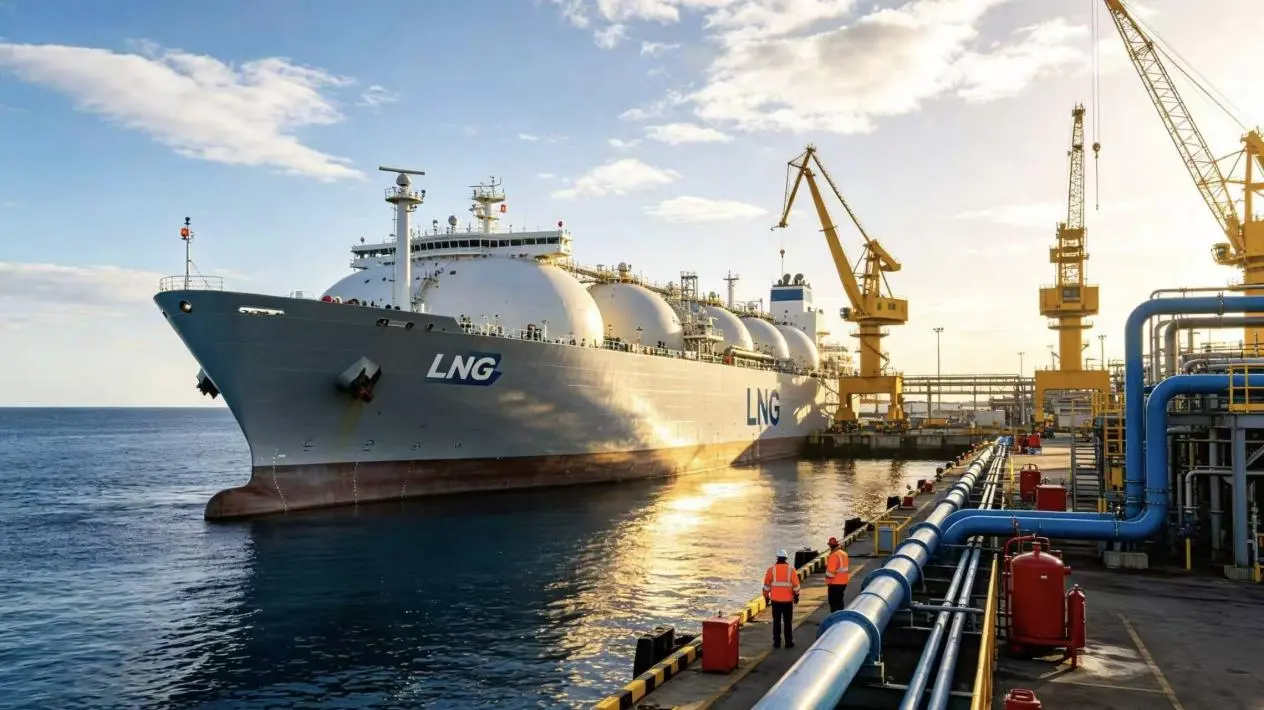
Persistent transit restrictions at the Strait of Hormuz have delivered a massive blow to global liquefied natural gas (LNG) trade since March 2026, altering the previously anticipated loose supply outlook for the worldwide gas market. The International Energy Agency (IEA) published its quarterly Gas Market Report in late April, estimating that nearly 20% of global seaborne LNG supplies were temporarily taken off the market due to suspended tanker navigation in the chokepoint waterway.
Even after a preliminary regional ceasefire reached in mid-April, lingering shipping insurance risks and vessel safety concerns delayed the full recovery of LNG shipments from major Persian Gulf exporters. ICIS energy analysts commented at the May Beijing Energy Forum that full normalization of Hormuz-based LNG shipping may not materialize until late 2026 if current risk premiums for maritime transport remain elevated.
European and Asian spot natural gas benchmarks experienced sharp price swings amid constrained Middle Eastern LNG inflows. Many Asian importers shifted procurement focus toward alternative supply sources, including U.S. Gulf Coast LNG export terminals and new production projects in Mozambique, driving up short-term spot demand for Atlantic-basin gas cargoes.
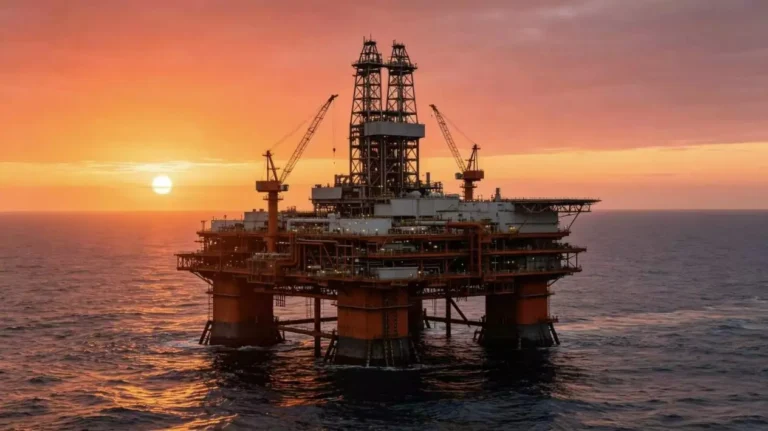
IEA analysts revised down the forecast of a global LNG oversupply that had been widely expected for 2026–2027, arguing the supply surplus market would likely be postponed by at least two years under prolonged Hormuz transit limitations. On the long-term development side, multiple new LNG final investment decisions (FID) in Qatar and Australia are being reassessed by operators amid volatile spot price conditions.
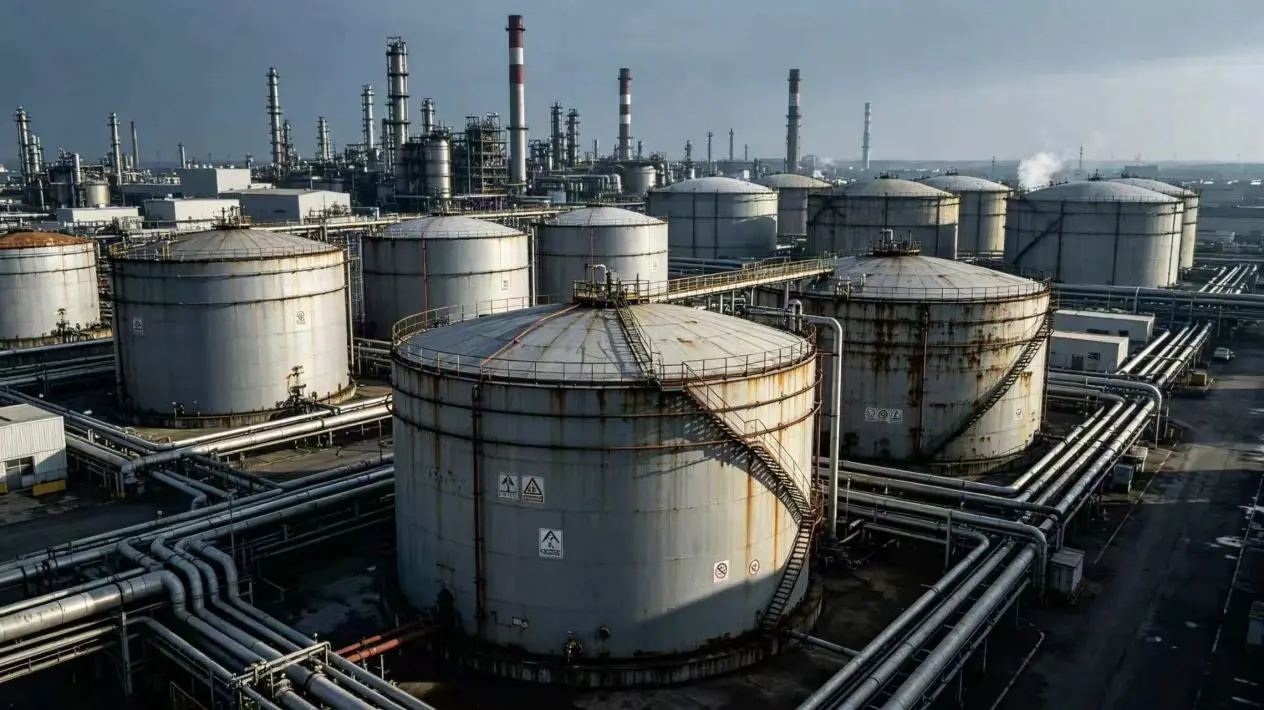
For domestic pipeline natural gas markets, warmer-than-average seasonal weather in North America partially curbed residential heating gas consumption, helping to replenish regional underground gas inventories and ease local market tightness against global headwinds.
Viewpoint Sources: IEA Quarterly Gas Market Report, ICIS Global LNG Research Division, S&P Global Natural Gas Analytics, International Gas Union (IGU) mid-year industry briefing.