Global Oil Supply Tightens: Why Pressure Testing Equipment Demand Remains Critical in Upstream Projects
The OPEC+ alliance approved its fourth consecutive monthly production increase at its June 7 ministerial meeting, raising official crude output quotas by 188,000 barrels per day (bpd) for July 2026. The decision extends the gradual unwinding of voluntary cuts initiated in April, bringing total quota increases since then to nearly 600,000 bpd.
However, a widening gap has emerged between official quotas and actual production. According to a Bloomberg survey, output from OPEC's 11 current members fell by 1.22 million bpd in May to 16.33 million bpd — the lowest level since 1988. More than half the decline came from Iran, where production dropped by 710,000 bpd to a five-year low of 2.34 million bpd amid tighter U.S. restrictions and conflict-related disruptions.
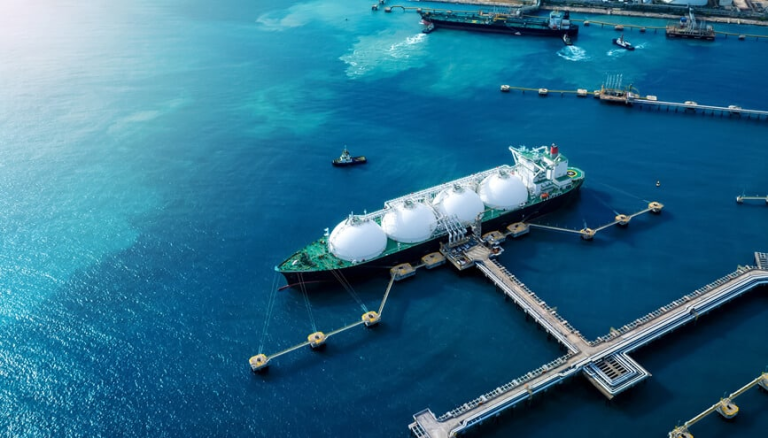
The Strait of Hormuz closure, triggered by escalating U.S.-Iran tensions since March, has severely constrained maritime crude transit. Before the crisis, approximately 20% of global oil supply passed through the chokepoint. Saudi Arabia and other key Gulf producers have been unable to deliver full shipments despite higher quotas.
On the non-OPEC front, U.S. crude production remains resilient at around 13.6 million bpd, according to the U.S. Energy Information Administration (EIA). The Permian Basin continues to anchor U.S. output, producing 6.0 million bpd of crude — accounting for 44% of total U.S. oil production. New Gulf of Mexico projects are expected to add 308,000 bpd by year-end 2026, partially offsetting Middle East supply losses.
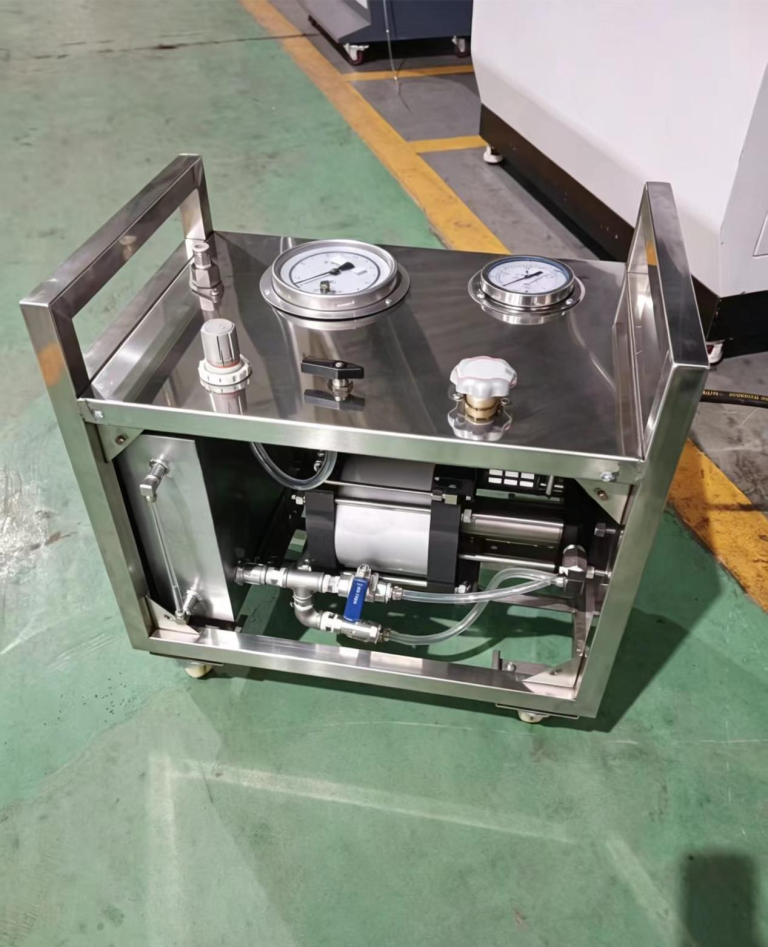
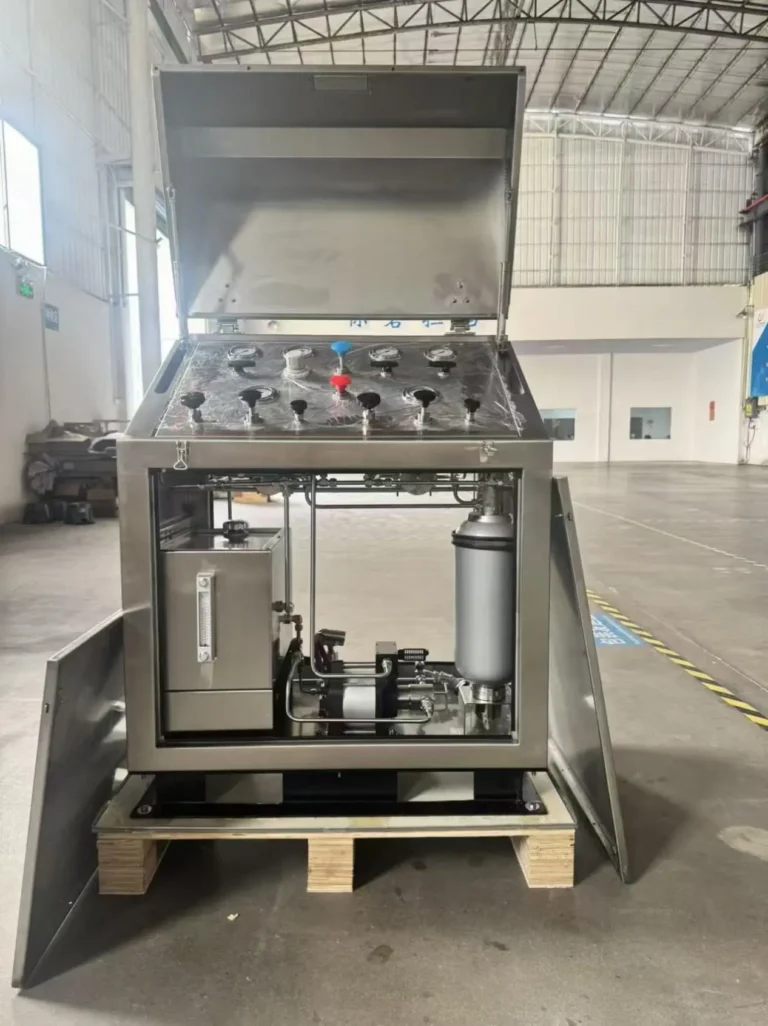
Despite current supply disruptions, upstream drilling and well intervention activities continue in many producing regions. Pressure control and hydrostatic testing remain critical before commissioning wellhead systems and production facilities.
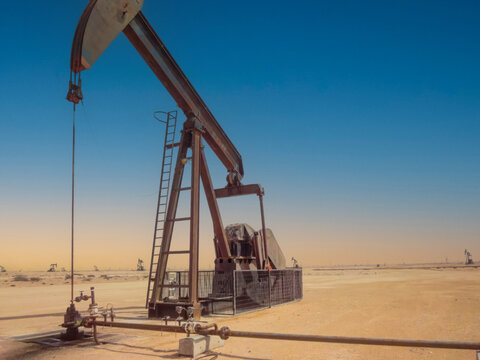
Reference image: Oil pump jack in Arabian desert oil field
Viewpoint Sources: U.S. EIA Short-Term Energy Outlook, OPEC Production Survey, OPEC+ Official Ministerial Statements, S&P Global Commodity Insights.
Sources
- U.S. Energy Information Administration (EIA)
https://www.eia.gov/ - OPEC Official Statements
https://www.opec.org/ - S&P Global Commodity Insights
https://www.spglobal.com/commodityinsights/